research interests
My current research focus is on planet formation and protoplanetary disks. I previously worked on X-ray binary dynamics, exoplanet searches, asteroseismology in M dwarfs, and the search for extraterrestrial intelligence. For all these projects, I developed tools to analyze large datasets from a wide range of instruments and to extract as much information as possible from them.
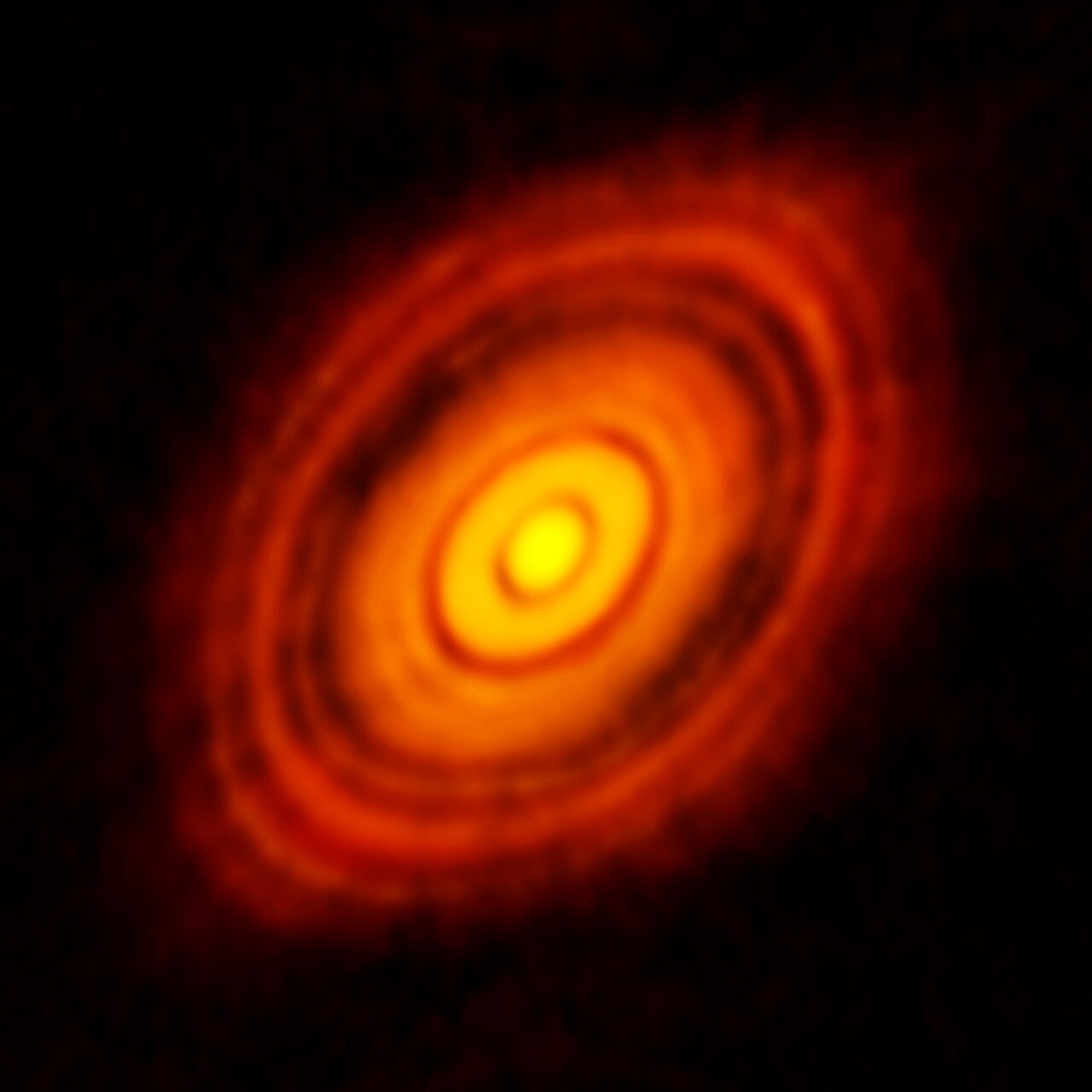
Protoplanetary Disks
Protoplanetary disks are rotating disks of gas and dust that surround newly formed stars and serve as the birthplace for planets. The planet formation process depends critically on the evolution of the solid mass available in this progenitor circumstellar disk. Using radio interferometers like ALMA, I study how dust grains grow, drift, and settle. My work has shown that these disks are often more optically thick than traditionally assumed, meaning their dust masses are likely much larger than previously understood.
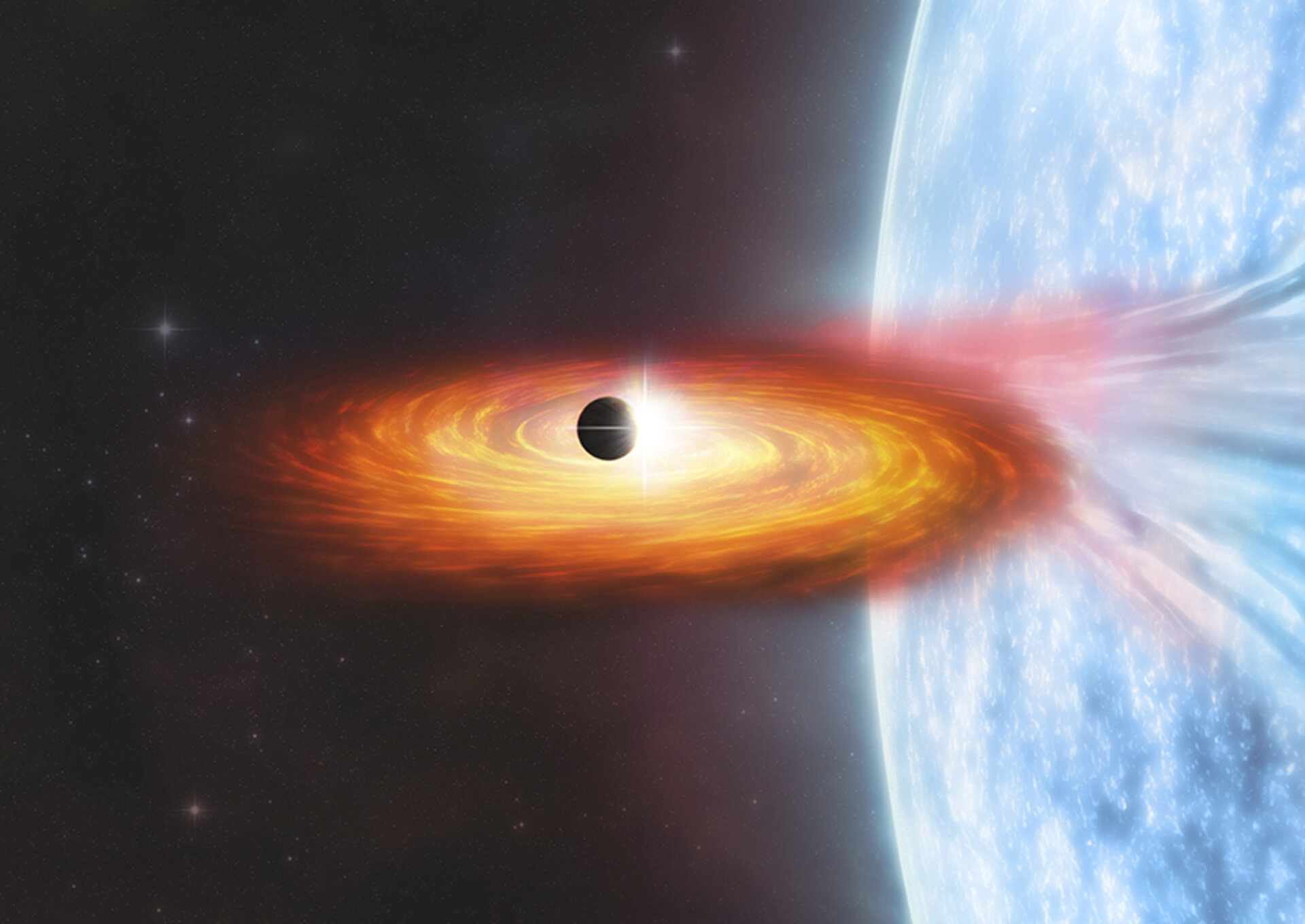
X-Ray Binaries
Low Mass X-ray Binaries (LMXBs) are stellar systems consisting of a compact object, either a neutron star or black hole, and a low-mass companion star. The companion star transfers matter onto the compact object through Roche-lobe overflow, and this accretion process releases gravitational energy, a large fraction of which emerges in the form of X-ray photons. I worked on synthesizing large X-ray datasets from different missions — including Chandra, XMM-Newton, RXTE, and NICER — to study variability in these binaries.
select publications
- Detailed Microwave Continuum Spectra from Bright Protoplanetary Disks in Taurus, The Open Journal of Astrophysics
- A Novel Technosignature Search in the Breakthrough Listen Green Bank Telescope Archive, The Astronomical Journal
- A Possible Third Body in the X-ray System GRS 1747− 312 and Models with Higher Order Multiplicity, Monthly Notices of the Royal Astronomical Society
Full list also on Google Scholar and ADS.